Kaiser FC/ Fathers & Sons/ Archive 005
Archive 005
Identity & Independence
7 min read

The Goals
They No
Longer
Shared

Football culture has always been fascinated by inheritance. Far less attention is given to the moments when that continuity quietly comes to an end — not through tragedy, not through conflict, not through betrayal. Simply through choice.

Entire generations of supporters have been raised on stories of fathers introducing sons to terraces, of scarves passed between family members and of traditions surviving long enough to become part of a family’s identity. These stories occupy a special place within the game because they represent continuity.

Far less attention is given to the moments when that continuity quietly comes to an end.

Not through tragedy.

Not through conflict.

Not through betrayal.

Simply through choice.

Every parent who introduces a child to football carries certain hopes, whether they admit them openly or not. A father bringing his child to the stadium does not experience the ritual as something fragile. He experiences it as something permanent. The journey repeats. The songs repeat. The routines repeat. Year after year, the relationship between parent, child and club becomes increasingly intertwined.

Eventually it begins to feel inevitable.

That is often the precise moment when reality intervenes.

Children do not remain children.

The football world expands beyond the boundaries of the family. New influences appear. Friends introduce different perspectives. Rival players become admired. New cities, new schools and new environments create opportunities for entirely different loyalties to emerge.

The change often begins with curiosity.

The inherited loyalty remains present, but for the first time it must compete with alternatives.

What happens when the son chooses differently?

The answer is usually far less dramatic than outsiders imagine and far more emotionally complex than football culture likes to admit.
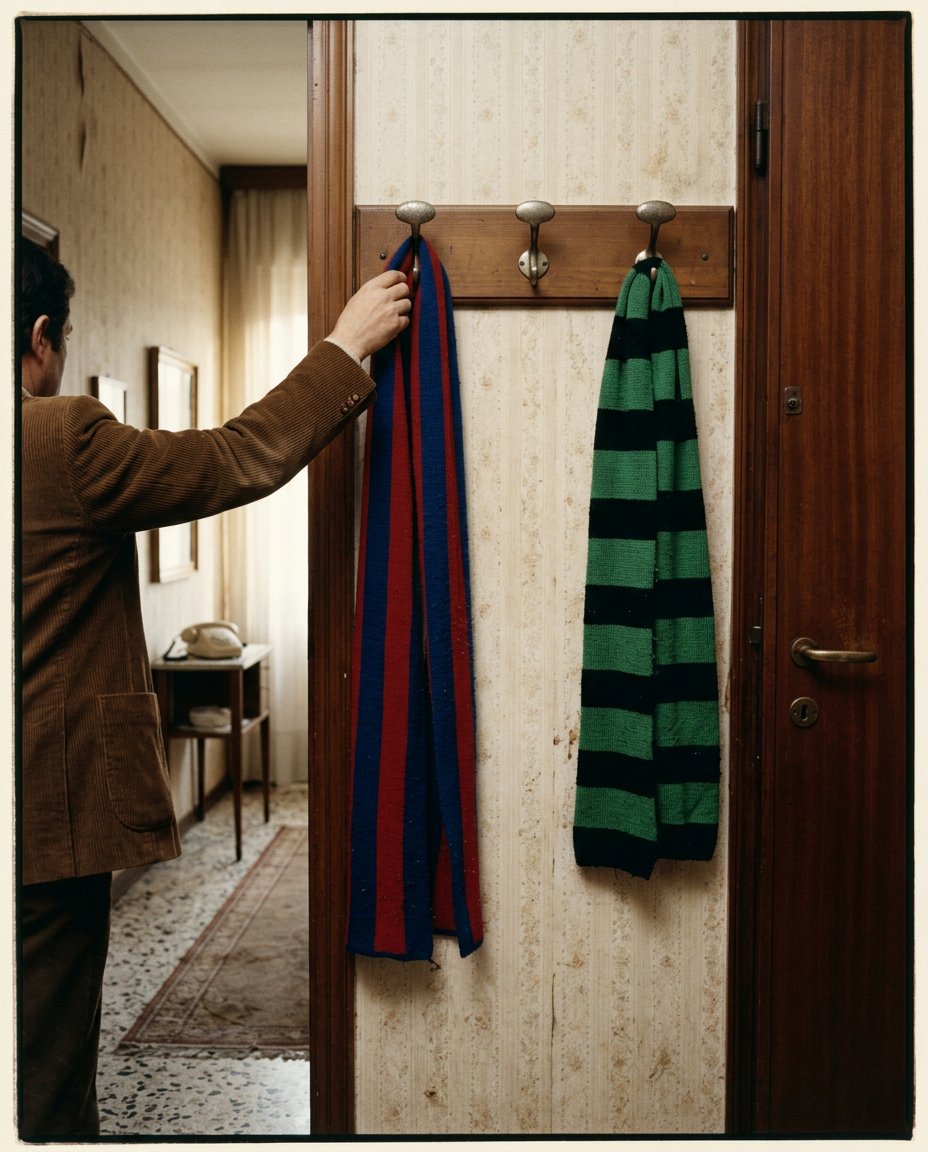
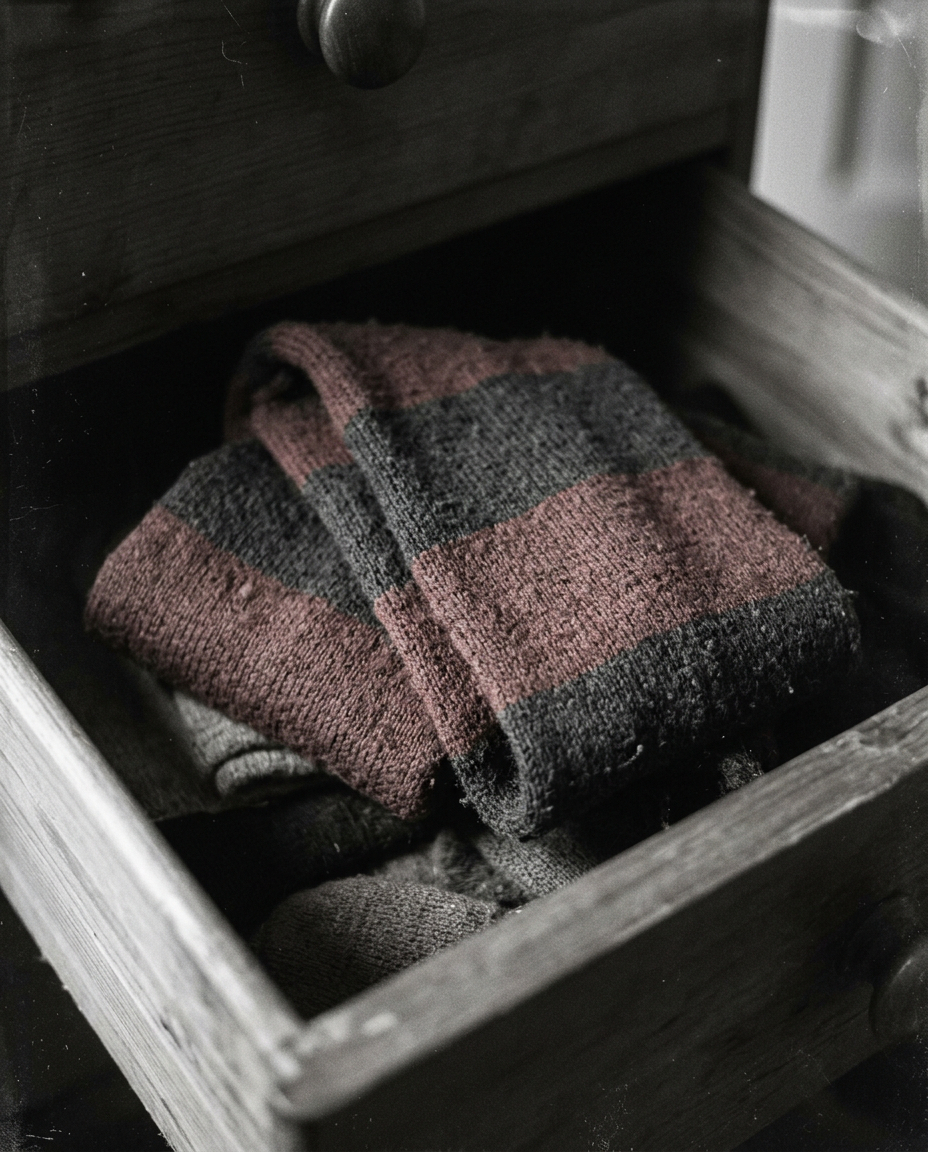
Same Pitch. Different Sides. The same moment — described from two places in the stadium
His Side
A goal goes in.
He rises from his seat.
He turns to share it.
He finds your eyes.
Joy.
Same stadium.
Same relationship.
Your Side
A goal goes in.
You remain seated.
You look away.
You find his eyes.
Disappointment.
Same afternoon.
Same father and son.

The issue was never really the club. The club simply provides the visible symbol. What disappears is something else entirely — shared expectation.

For years, matchdays followed a predictable emotional script. Both people wanted the same result. Both people celebrated the same goals. Both people suffered the same defeats. Even disagreement existed within a common framework because the destination remained identical.

Then one day the framework changes.
The match arrives.
And for the first time, two people
who once occupied exactly the same
emotional territory discover they are
standing on opposite sides of it.

Football rarely prepares families for that moment. Perhaps because it contradicts one of the game’s favourite narratives. The sport loves stories about traditions surviving intact. It celebrates continuity because continuity feels reassuring.

Yet independence is not failure.

It is evidence that the inheritance worked more effectively than anyone realised.

What Was Actually Inherited

Parents often hope to pass down loyalty.

What they actually pass down are values.
Conviction. Commitment. Authenticity.
The confidence required to care deeply
about something.

Once those qualities have been successfully transmitted, they no longer belong exclusively to the parent. They belong to the child.

The other scarf

The son who chooses different colours is rarely rejecting football itself. On the contrary, he is often demonstrating the same passion that made the original inheritance possible. The difference is that the passion has found a different home.

Understanding this can take years. Sometimes decades.

With time, however, most families arrive at a more mature understanding.

The shared goals disappear.

The shared relationship does not.

The conversations continue.

The rituals evolve.

The football remains present even when loyalties diverge.

Many fathers eventually discover that the most important part of the tradition was never the club itself. The real achievement was creating a child capable of caring about something with the same intensity.

The details turned out differently than expected. The destination changed. The underlying lesson survived.

That realisation does not eliminate the sense of loss entirely.

The shared celebrations.

The instinctive embrace after a late winner.

The certainty of wanting exactly the same outcome.

Those things belong to another chapter of the story. They do not return.

Some sons inherit the colours.

Some inherit only the passion.

Both outcomes are more common than football culture usually admits.

Somewhere in stadiums across the world,
fathers and sons continue watching
the same match through entirely different eyes.

The goals are no longer shared.
The loyalties are no longer shared.

Yet beneath the rivalry remains
something older than football itself.

The relationship that existed
long before either side scored.

Continue The Archive
The ArchiveThe Fathers & Sons Archive

The Fathers & Sons Archive

Five archives on the first tradition many supporters ever inherit — how football passes from generation to generation without ceremony.

Explore The Archive
Wear The Archive View The Collection