When people remember a World Cup, they rarely begin with the football.
They begin with a place.
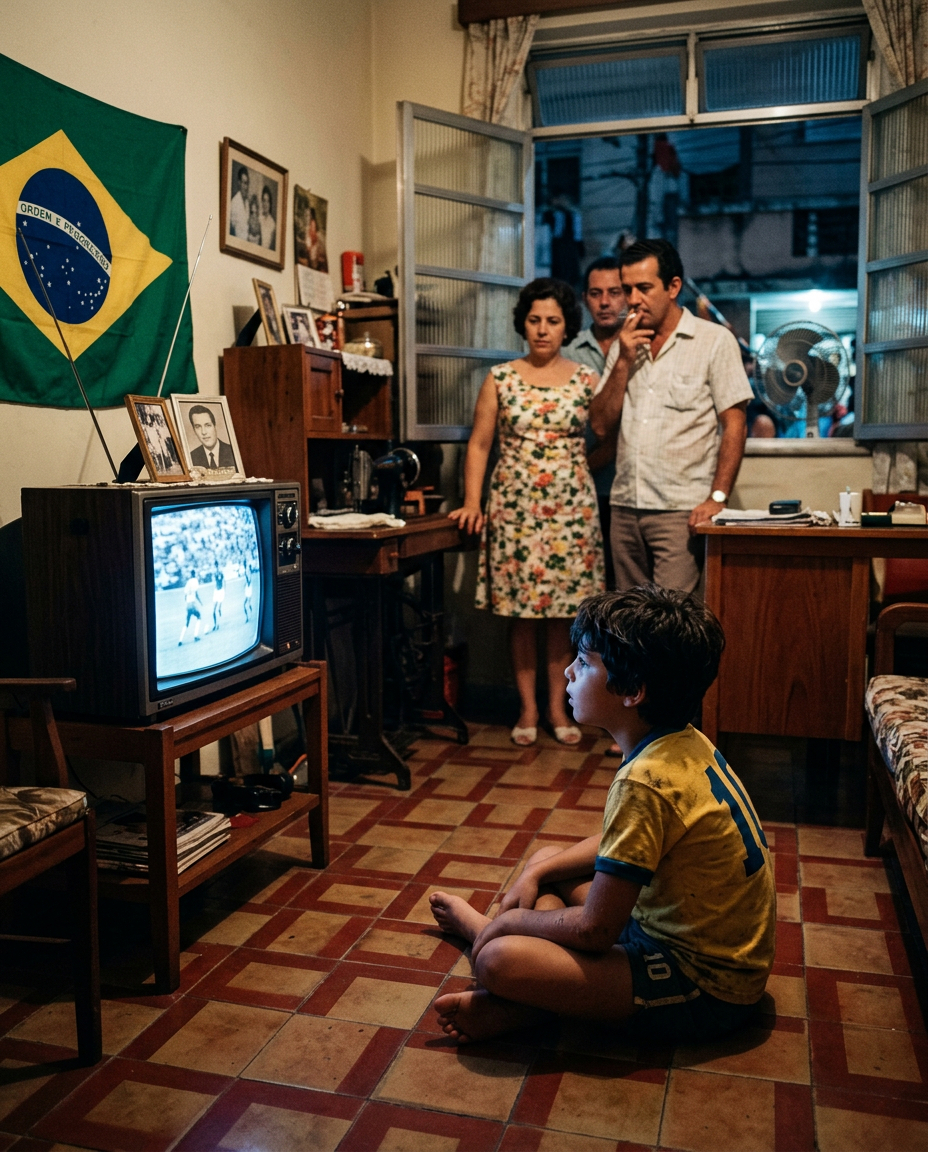
They remember a living room that seemed impossibly crowded.
They remember a local bar that suddenly became the centre of the neighbourhood.
They remember a social club where every chair was occupied an hour before kick-off.
They remember a classroom where somebody smuggled in a radio.
They remember a kitchen where lunch was delayed because nobody wanted to miss the second half.
The location arrives before the score.
The room arrives before the result.
The memory of being there survives longer than the memory of what happened.
Perhaps that is because the World Cup has always been about more than football. It is one of the few events capable of transforming ordinary places into something larger than themselves. For a few weeks every four years, locations that spend most of their existence unnoticed become part of somebody’s personal history.
A small café becomes the place where an entire street celebrated a goal.
A living room becomes the place where three generations shared a moment they would discuss for decades.
A public square becomes the place where strangers embraced one another despite never having exchanged names.
The geography of football is often discussed in terms of stadiums. We talk about famous grounds, legendary terraces and historic arenas. Yet for most people, the real geography of the World Cup exists elsewhere.
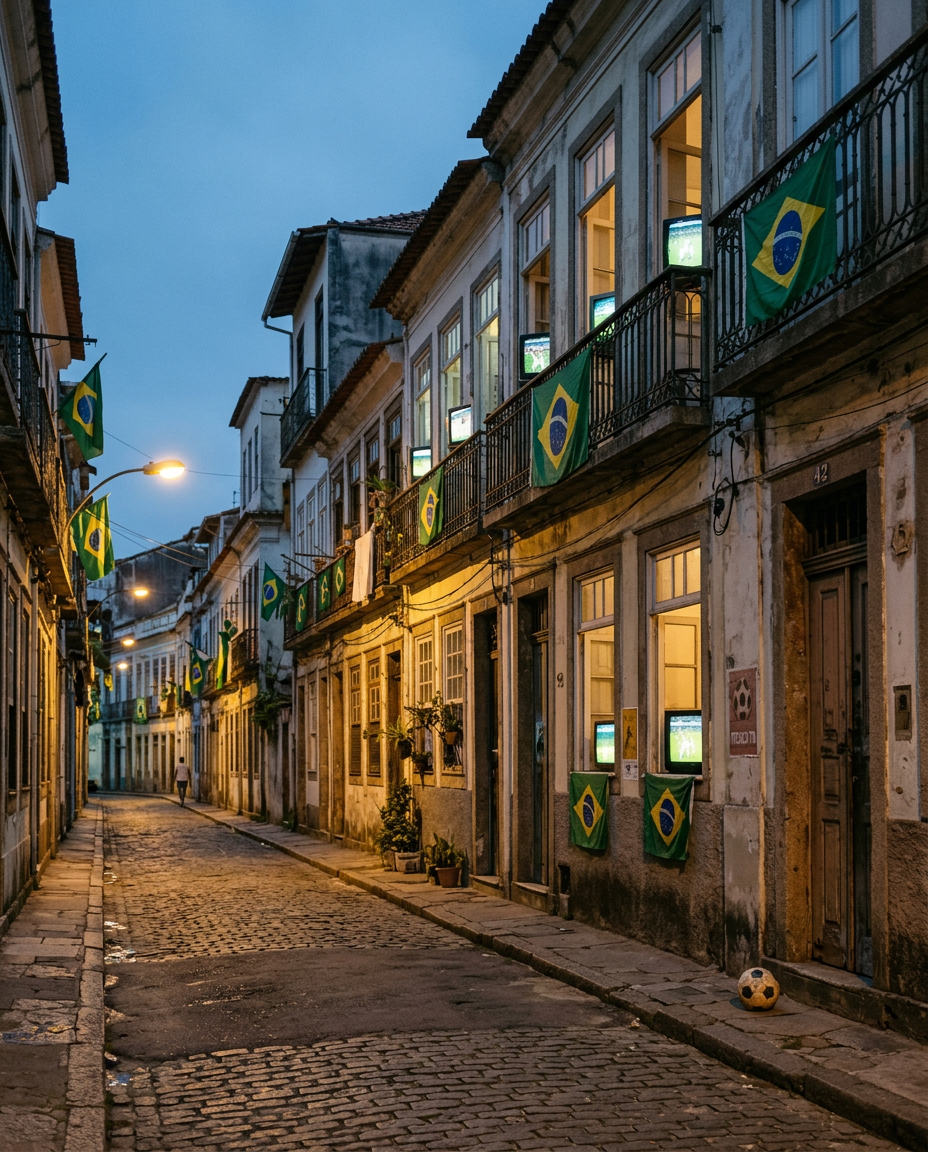
It exists in houses, bars, clubhouses, community halls, workplaces and town centres.
Those are the places where football actually enters everyday life.