Long before football shirts became collectibles, they were simply possessions.
They were worn until the fabric thinned, until the numbers cracked, until the collar stretched and the colours faded beneath years of sunlight and washing powder. They travelled through childhoods, survived school playgrounds, crossed neighbourhood football matches and often ended their lives in circumstances far less glamorous than collectors would like to imagine.
Most never reached a display case.
Most never became valuable.
Yet almost every supporter remembers one.
Not necessarily the best shirt.
Not necessarily the most famous shirt.
Simply the shirt everybody had.
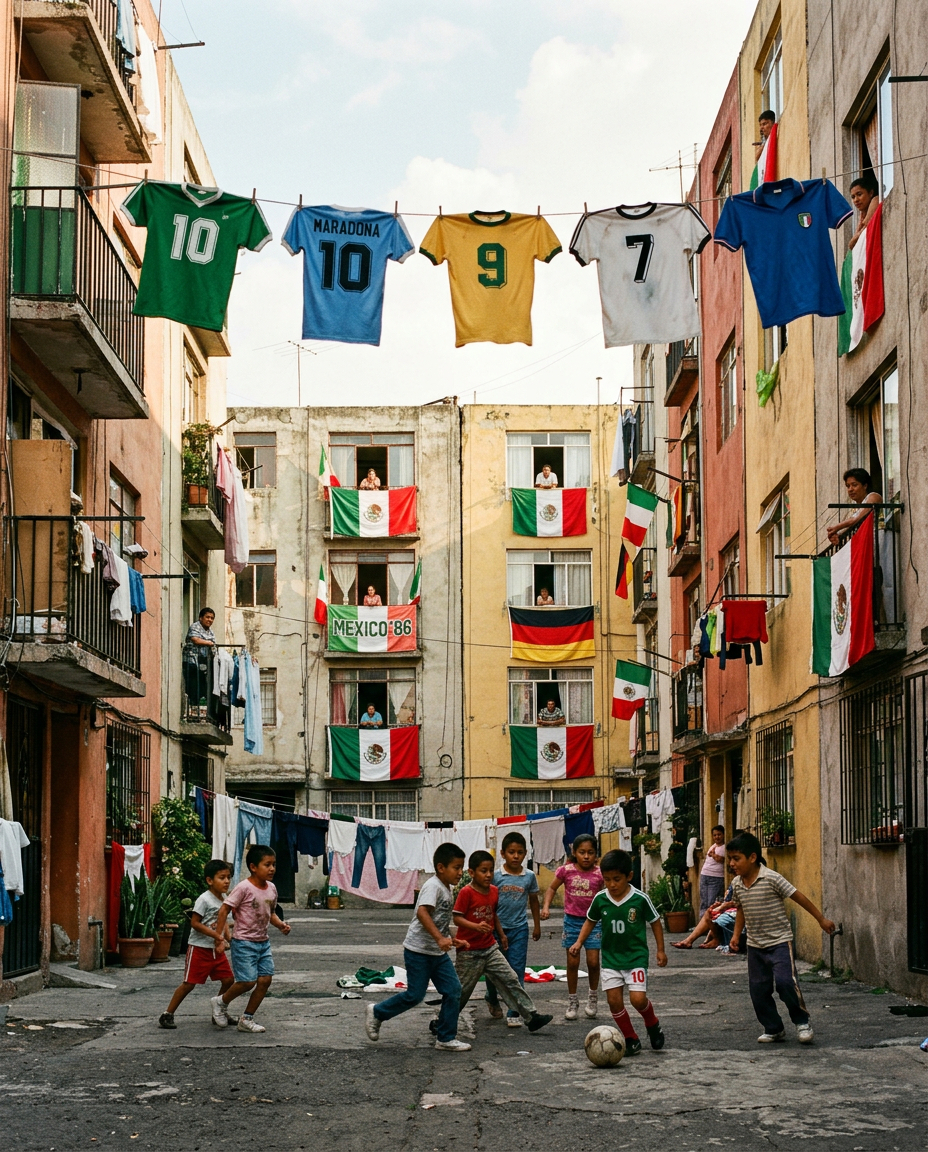
Every generation seems to inherit one. A design that appears everywhere for a few years before slowly disappearing into memory. It hangs from washing lines. Appears in school photographs. Shows up in family albums. It becomes so common that nobody notices it at the time.
Only later does its importance become obvious.
The World Cup has always accelerated this process.
For a few weeks every four years, football shirts escape the boundaries of stadiums and enter everyday life. They appear in streets, markets, schools, public squares and family homes. They stop being sporting garments and become symbols of participation. Owning one feels like owning a small piece of the tournament itself.
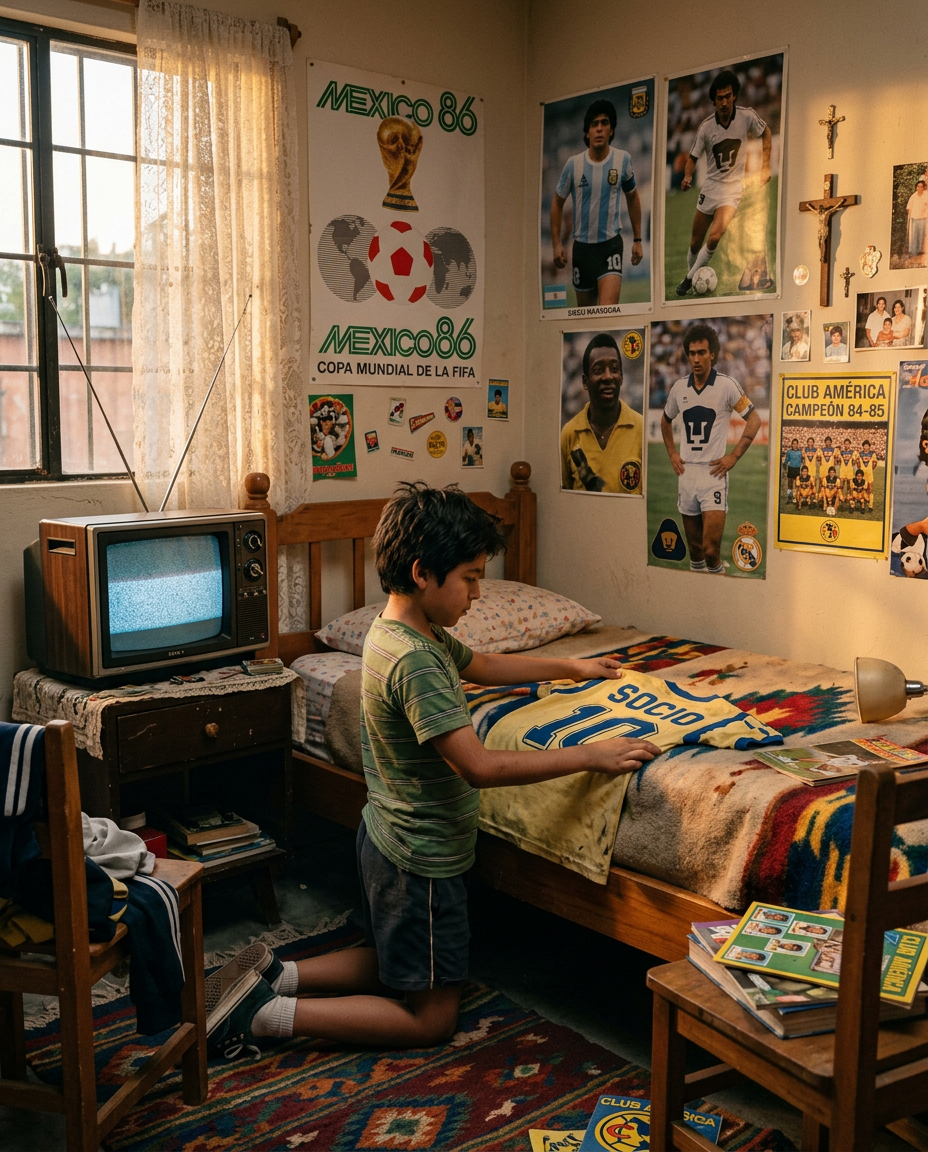
For children, this transformation can be particularly powerful.
Most supporters do not remember the first tactical system they learned. They do not remember the first league table they studied. They do not remember the first transfer rumour they discussed.
They remember a shirt.
The object is simple enough to understand and tangible enough to possess.
A child cannot own a stadium.
A child cannot own a trophy.
A child can own a shirt.
That matters.