Football is unusual because it asks very little from most people.
A league season demands commitment. A club demands loyalty. Supporting a team often becomes a routine that quietly settles into everyday life. Matches arrive on weekends. Results are discussed on Monday. The rhythm repeats itself year after year until it becomes almost invisible.
The World Cup is different.
The World Cup does not ask to become part of your life.
For a brief period, it attempts to become life itself.
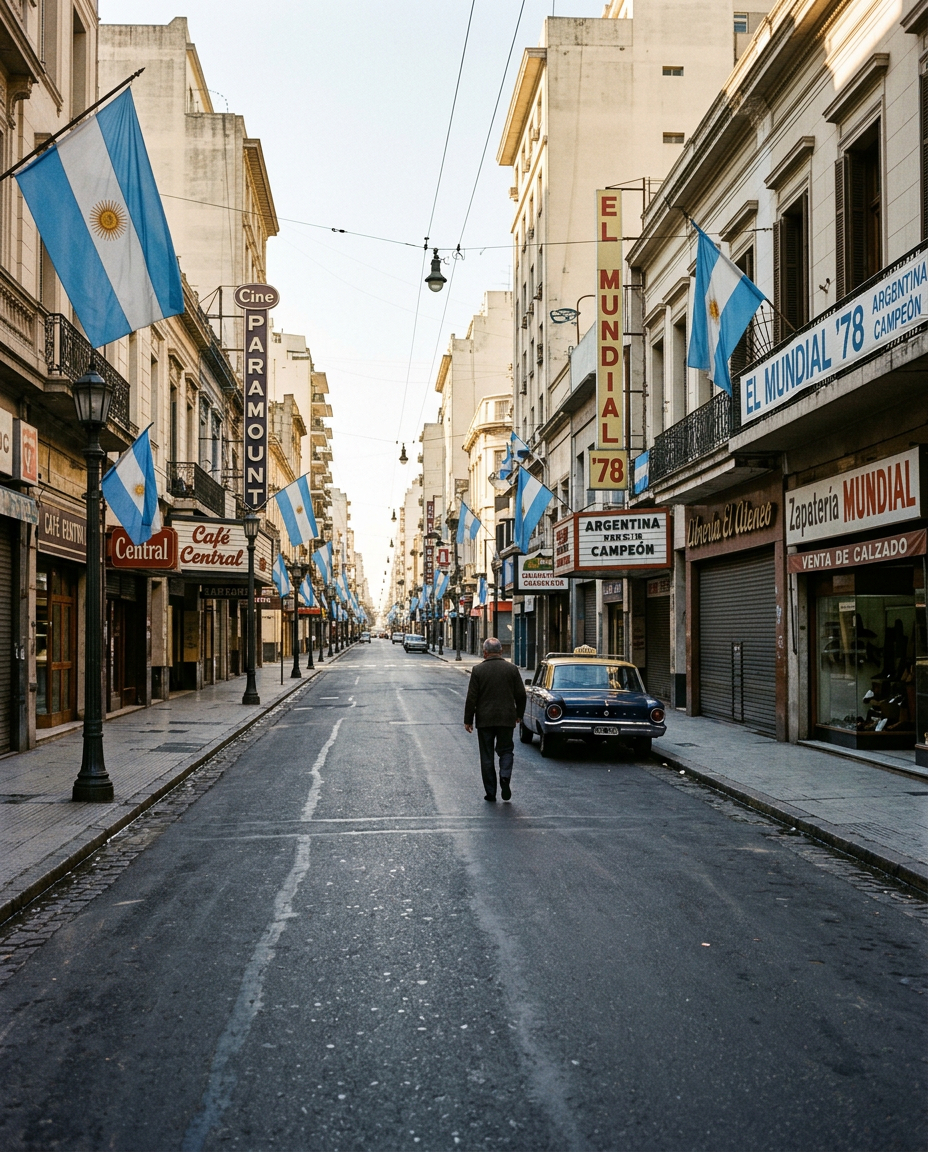
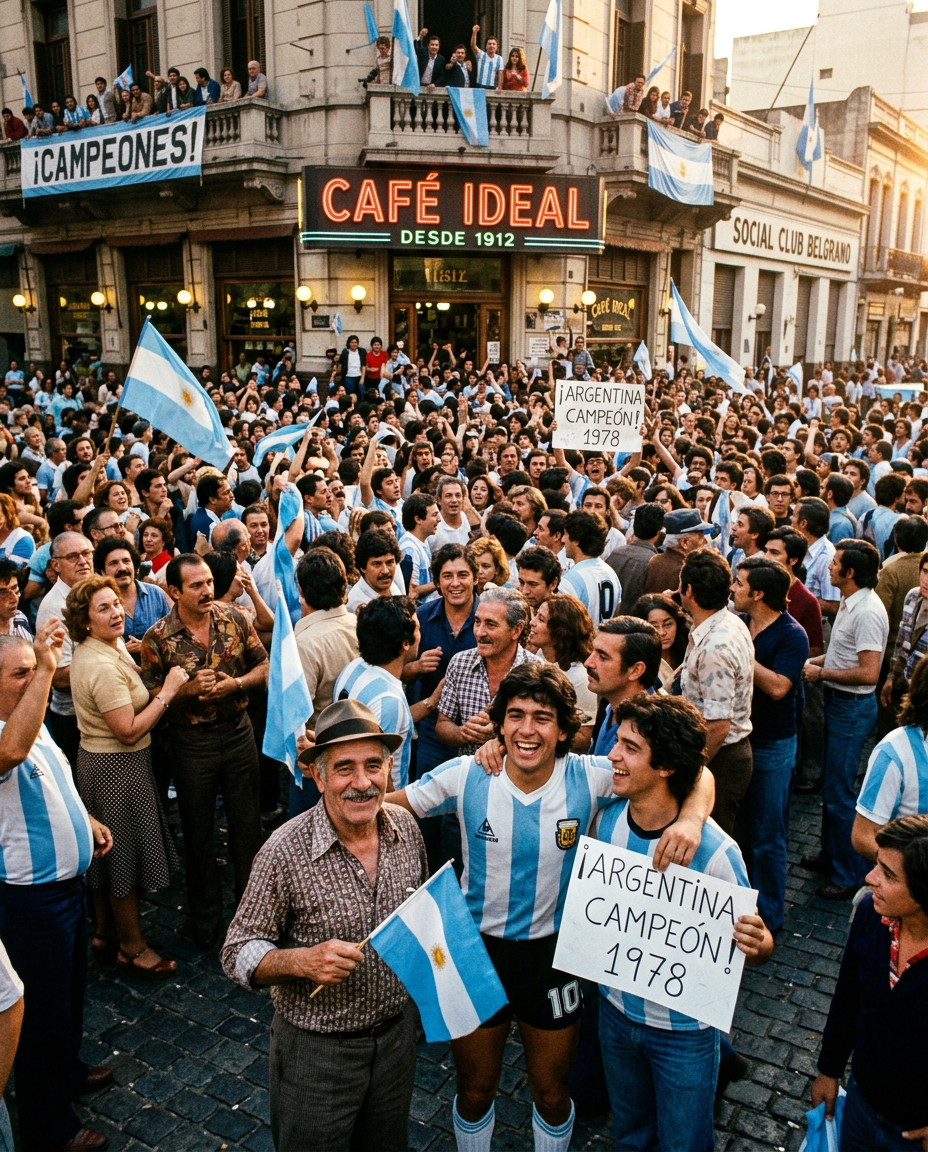
Every four years, something remarkable happens. People who have ignored football for months suddenly care about football again. Newspapers move it to the front page. Politicians reference it in speeches. Families reorganise their evenings around kick-off times. Workplaces become quieter. Streets become emptier. Entire countries begin sharing the same conversations.
For approximately four weeks, football stops being a sport and becomes an atmosphere.
It hangs over everything.
The remarkable thing is not that billions of people watch the World Cup. The remarkable thing is that billions of people seem willing to pause normal life in order to do so.
Very few cultural events possess that power.
A league title matters deeply to supporters but means little to those outside the club. A domestic cup final might dominate a city while remaining invisible elsewhere. Even the biggest club competitions rarely escape football’s traditional audience.
The World Cup escapes all of those boundaries.
For one month, football leaves the stadium and enters ordinary life.
Children notice it.
Grandparents notice it.
People who never watch football notice it.
Even those who claim not to care often find themselves checking results, asking questions or following stories. The tournament becomes impossible to avoid because it expands far beyond the sport itself.