Kaiser FC/ Every Four Years/ Archive 001
Archive 001
World Cup & Memory
10 min read

The First
World Cup
You Remember

Ask someone about the first World Cup they remember and something remarkable happens. The answer arrives almost immediately — not because it was the best tournament, but because it was the first time football felt larger than football.

Most supporters cannot remember their first match.

The details disappear.

The opponent is forgotten.

The score fades away.

Even the season becomes difficult to place.

But ask someone about the first World Cup they remember and something remarkable happens.

The answer arrives almost immediately.

Not because it was the best World Cup.

Not because their country won.

Not because history considers it important.

But because it was the first time football felt larger than football.

Every supporter has one.

A first World Cup.

A tournament that exists in memory with unusual clarity.

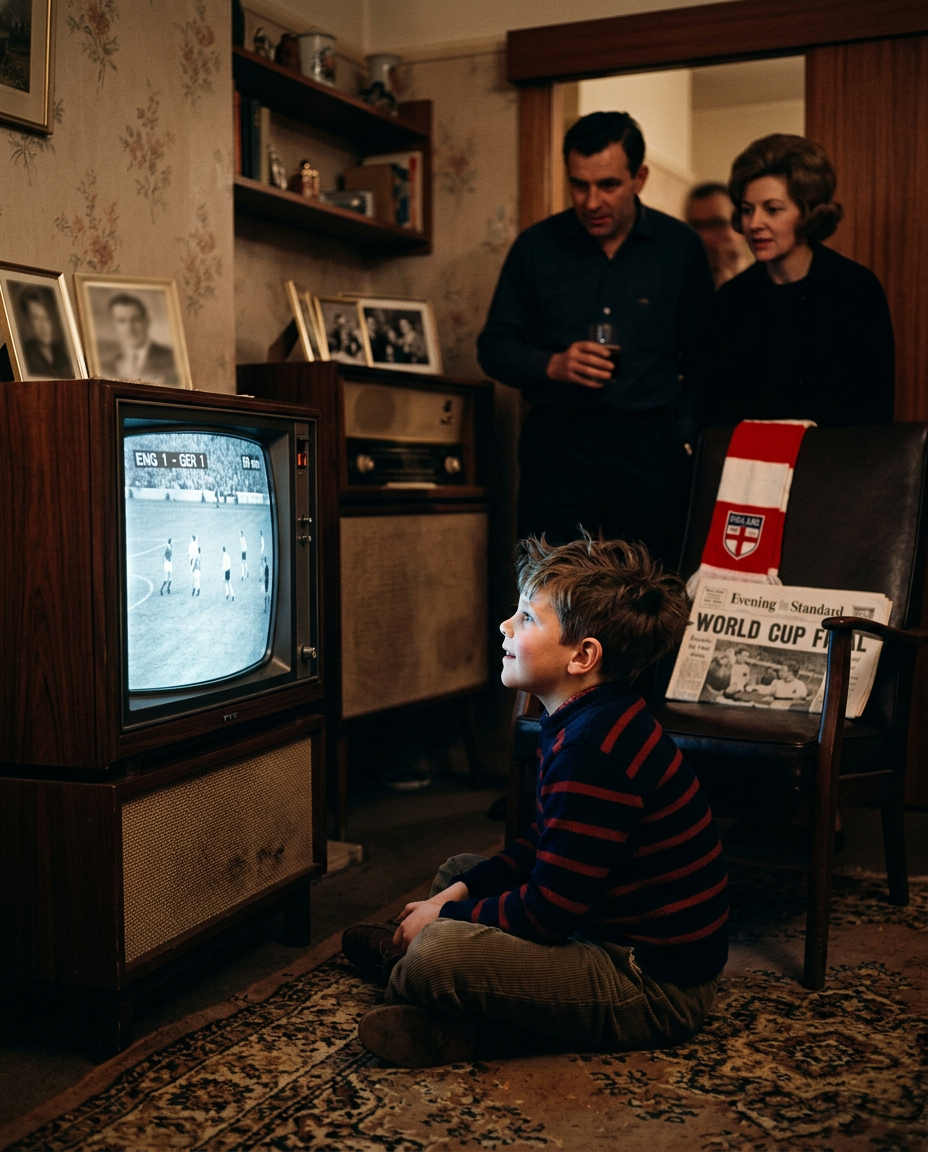
Sometimes it begins with a television.

Sometimes with a radio.

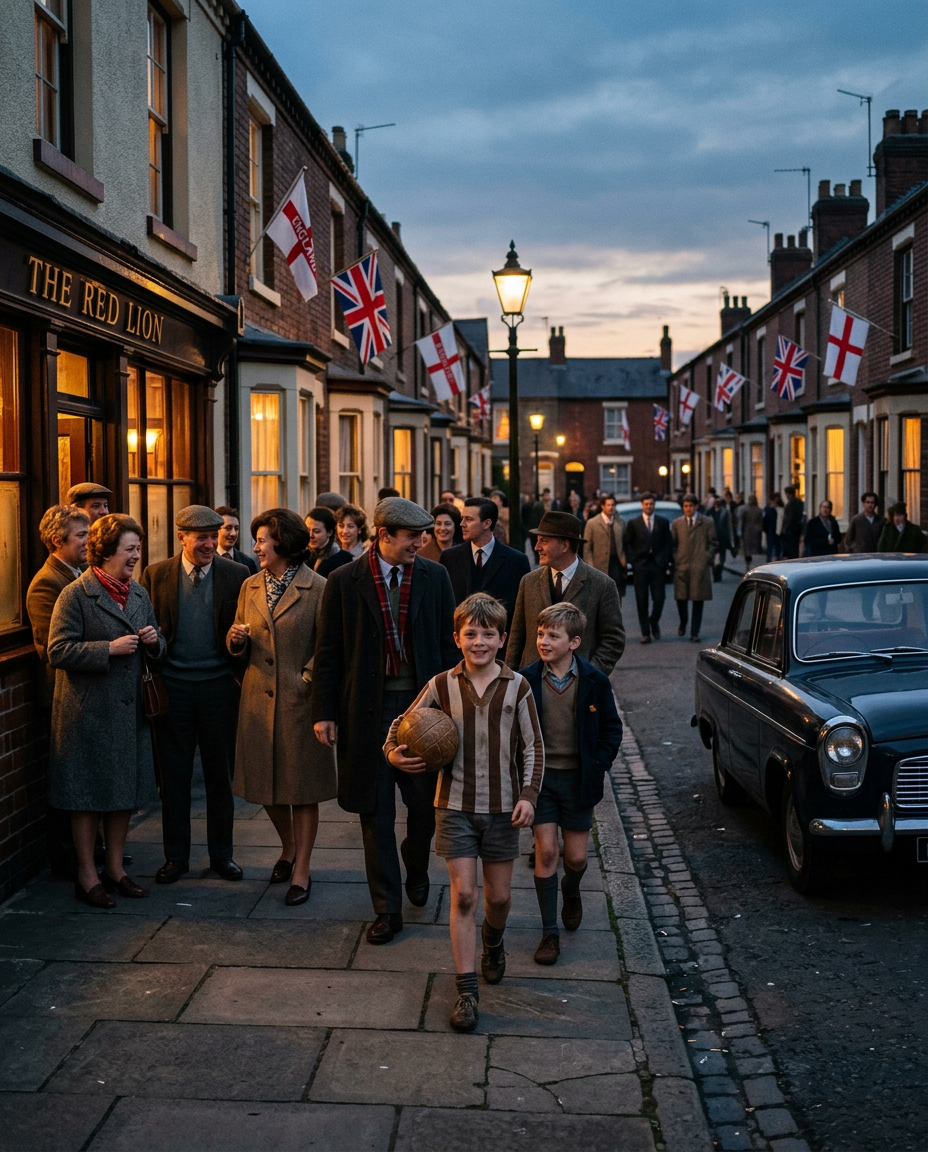
Sometimes with a parent explaining why the entire neighbourhood suddenly cared about a match taking place thousands of kilometres away.

For many people, the World Cup is the first moment they realise football does not belong only to their club, their town or their country.

It belongs to something much larger.
The Things People Remember

Not the score. Not the final.
Not the name of the player who scored.

The room.
Always the room.

The strange thing is that most people remember everything around the tournament more vividly than the tournament itself.

The football becomes attached to ordinary life.

And ordinary life becomes impossible to separate from the football.

Years later, entire matches disappear from memory.

Yet the room remains.

The chair remains.

The people remain.

That is because memory rarely preserves events.
It preserves feelings.

A first World Cup often arrives at exactly the right moment in life.

Old enough to understand that something important is happening.

Young enough to believe it might never happen again.

The tournament feels endless.

Matches appear every day.

Flags appear in windows.

Conversations change.

Teachers discuss results.

Neighbours become temporary experts.

The entire world seems to be participating in the same story.

For a child, that feeling is extraordinary.

The Four-Year Wait

Four years is a very long time
when you are young.

An eight-year-old becomes twelve. A twelve-year-old becomes sixteen. Entire stages of life exist between tournaments. That rarity made the World Cup feel precious.

The World Cup — a ritual every four years

Today football is everywhere.

Matches arrive constantly.

Highlights appear instantly.

Scores travel across phones within seconds.

But for much of football history, the World Cup felt different.

It was rare.

It was distant.

It arrived only once every four years.

Four years is a very long time when you are young. An eight-year-old becomes twelve. A twelve-year-old becomes sixteen. Entire stages of life exist between tournaments.

That rarity made the World Cup feel precious.

You did not simply watch it.
You waited for it.

Sometimes for years.

And when it finally arrived, ordinary routines changed.

Families planned around kick-off times.

Workplaces became quieter.

Streets emptied.

Televisions became gathering points.

Football escaped the stadium and entered everyday life.

The World Cup transformed houses into clubhouses.
Living rooms became terraces.

Neighbours became teammates.

For a few weeks, everyone belonged to the same conversation.

Collective football memory — watching the World Cup together
The Same Direction. Millions of people — one story — every four years

Perhaps that is why first World Cups remain so powerful.

They are not remembered as sporting events.

They are remembered as moments of collective attention.

Moments when millions of people looked in the same direction at the same time.

Few things create that feeling anymore.

The modern world is fragmented.

Everyone watches something different.

Everyone follows a different feed.

Everyone occupies a different corner of the internet.

But the World Cup still possesses a rare ability.

It still gathers people together.

It still creates memories that will survive long after the final whistle.

Somebody watching this summer will experience their first World Cup.

They may not realise it yet.

They may be sitting on a carpet in front of a television.

They may be watching through the crowd at a public viewing.

They may be following every match beside a parent, grandparent or older sibling.

Years from now, they will forget most of the scores.

They will forget many of the players.

They will forget entire group stages.

But they will remember the feeling.

The room.

The people.

The atmosphere.

The strange certainty that football had somehow become the centre of the world.

And one day, decades later, someone will ask them a simple question.

“What was the first World Cup you remember?”

The answer will arrive immediately.

Because some football memories
are not stored in the mind.

They are stored somewhere deeper.

Waiting patiently.

Every four years.

Share This Archive
Reddit X WhatsApp
Next in Every Four Years
Where We
Watched It
Every Four Years  ·  Archive 002