Kaiser FC/ Every Four Years/ Archive 005
Archive 005
Endings & Memory
10 min read

When The
Flags Come
Down

The World Cup never really ends with the final whistle. Television broadcasts would suggest otherwise. Yet anyone who has lived through enough World Cups understands that the tournament ends somewhere else entirely. It ends when the flags come down.

The World Cup never really ends with the final whistle.

Television broadcasts would suggest otherwise. Commentators say their goodbyes. Players lift trophies. Fireworks explode above a stadium. A champion is crowned. The closing ceremony begins. The cameras slowly pull away.

From a distance, it appears complete.

Yet anyone who has lived through enough World Cups understands that the tournament ends somewhere else entirely.

It ends when the flags come down.

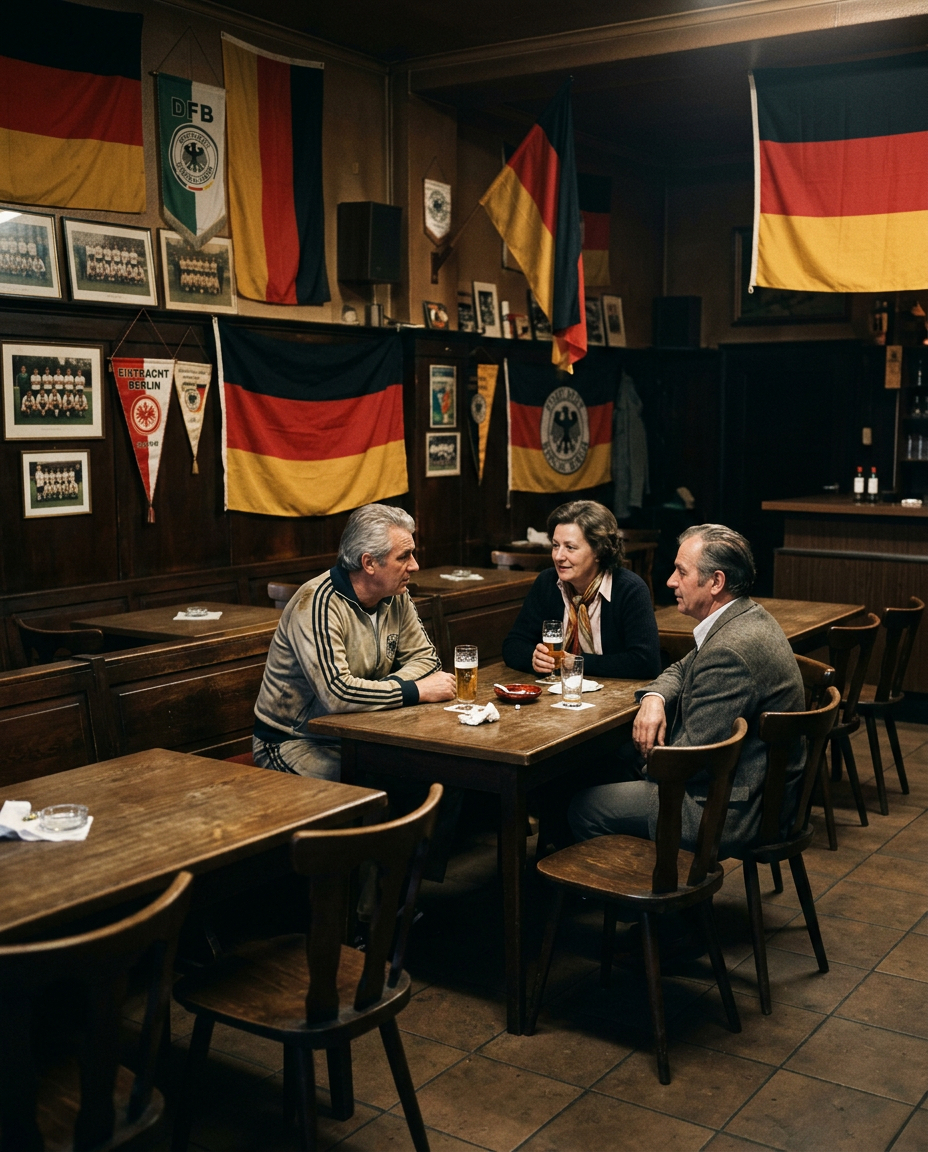
For several weeks they seem to appear everywhere. They emerge from drawers, attics and cupboards where they have spent years waiting. They hang from balconies, windows, fences and storefronts. They transform ordinary streets into reminders that something larger than everyday life is taking place.

Then, gradually, they disappear again.

A neighbour removes theirs on Monday morning.

A café takes theirs down on Tuesday.

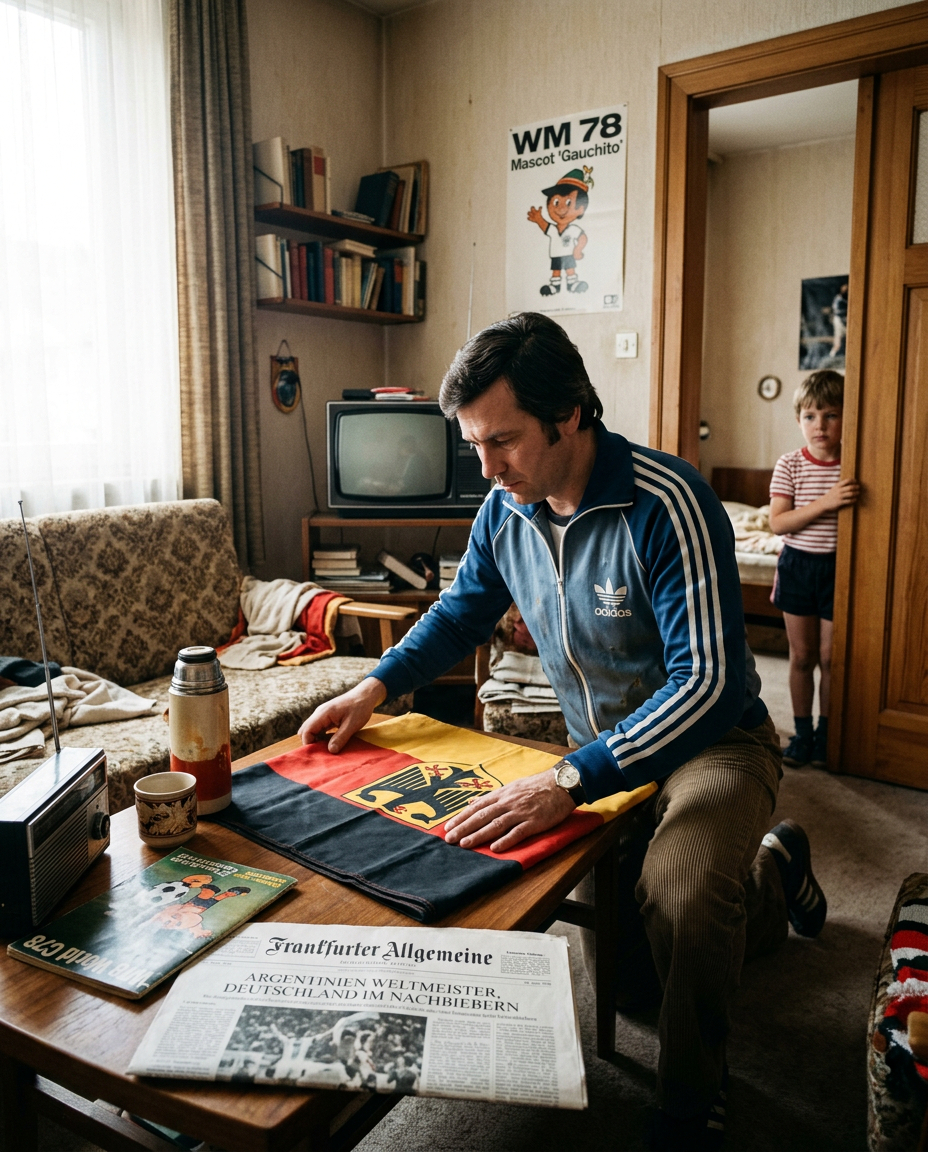
A family folds theirs away the following weekend.

Little by little the evidence vanishes.

The World Cup leaves the landscape.

Normal life returns.

At least that is what it looks like from the outside.

The truth is more complicated.

Because football tournaments are unusual things. They occupy only a few weeks on a calendar yet somehow attach themselves to entire periods of life. Years later, supporters rarely remember a World Cup as a sequence of matches.

They remember it as a season of existence.

They remember who they were.

Where they lived.

Who sat beside them.

What they hoped for.

What they feared.

The football becomes intertwined with everything else.
The Collective Becomes Personal
One person remembers A goal. The exact second the ball crossed the line. The way the commentator’s voice broke.
Another remembers A celebration. The street outside. Strangers embracing one another despite never having exchanged names.
Another remembers A family gathering. Who was there. What was left unsaid. The meal that arrived late because nobody wanted to leave the room.
Another remembers A conversation that had nothing to do with football at all. The World Cup simply provided the occasion.

The World Cup fragments into thousands of personal archives.
No two are identical.

Perhaps that is why the end of a World Cup feels different from the end of a season. A league season promises continuity. Another campaign begins in a few months. Fixtures return. Routines resume. Familiar rhythms continue.

The World Cup offers no such comfort.

It disappears for four years.
And four years is long enough for almost anything to happen.

Children become adults.

Students become parents.

Friends move away.

Grandparents grow older.

Entire chapters of life begin and end before the tournament returns.

The rarity gives the World Cup much of its emotional power. Every edition feels temporary because it is temporary. Every tournament becomes a snapshot of a particular moment in time, both for football and for the people watching it.

That is why supporters often speak about World Cups through the language of memory rather than results.

They remember the summer.

The weather.

The room.

The journey.

The atmosphere.

The conversations.

The tournament itself becomes inseparable from the life surrounding it.

A Shared Reference

Football often brings people together physically.
The World Cup manages something more unusual.

It creates a shared emotional reference point. People who have never met can remember the same tournament and immediately understand something about one another.

When the flags come down — the World Cup ends somewhere else entirely

Football often brings people together physically. The World Cup manages something more unusual. It creates a shared emotional reference point. People who have never met can remember the same tournament and immediately understand something about one another.

Not because they supported the same team.

Not because they watched the same matches.

But because they experienced the same interruption to ordinary life.

For a few weeks, football became the centre of the world.

Then it stopped.

And somehow that makes it more valuable.

Human beings tend to treasure things that cannot be kept forever. Summer holidays. Childhood homes. Friendships from another era. The World Cup belongs to that category. Its power comes partly from its disappearance. If it happened every year, it would lose much of what makes it special.

The waiting matters.

The absence matters.

The distance between tournaments matters.

The flags hanging from balconies are therefore more than decorations. They are reminders of something temporary. They exist for a brief period before returning to storage. Their disappearance marks the return of ordinary life.

Yet the memories remain stubbornly present.

Long after the flags are folded away.

Long after the newspapers have yellowed.

Long after the conversations have moved on.

The tournament survives.

Not on television.

Not in stadiums.

Not in highlight packages.

In people.

When the flags come down — the memories begin their long journey into the archive
In People. The tournament survives — not in stadiums, not on television

A supporter might struggle to remember every result from a World Cup twenty years ago. Yet they remember exactly where they watched the final. They remember who sat beside them. They remember the feeling of walking home afterwards.

Memory keeps what matters.

The World Cup understands this better than any other football competition.

Perhaps that is why it continues to matter so much.

Not because it crowns champions.

Football has many champions.

Not because it produces famous moments.

Football has countless famous moments.

But because every four years it gives millions of people a collection of memories that will quietly accompany them for the rest of their lives.

And then, one morning,
the flags come down.

The streets return to normal.
The tournament becomes history.

The memories begin their long journey
into the archive.

Share This Archive
Reddit X WhatsApp
End of the Archive
Every Four
Years
Five Archives — A Complete Collection