Ask a supporter to describe an old football ground and something curious happens.
At first, he talks about football.
The matches.
The players.
The goals.
The atmosphere.
But eventually the conversation begins to drift elsewhere.
Toward staircases.
Toward turnstiles.
Toward walls.
Toward roofs.
Toward corners of buildings that, on paper, should have meant absolutely nothing.
And yet somehow meant everything.
The great stadiums of football history were rarely beautiful.
Not in the conventional sense.
Many were awkward structures assembled over decades rather than designed as complete visions. A stand would be built on one side, another added years later. One corner remained open. Another was enclosed. Roofs rarely matched. Sightlines were imperfect. Paint peeled from walls. Concrete cracked. Rain found ways to enter.
By modern standards, many of them were architectural accidents.
Yet people loved them.
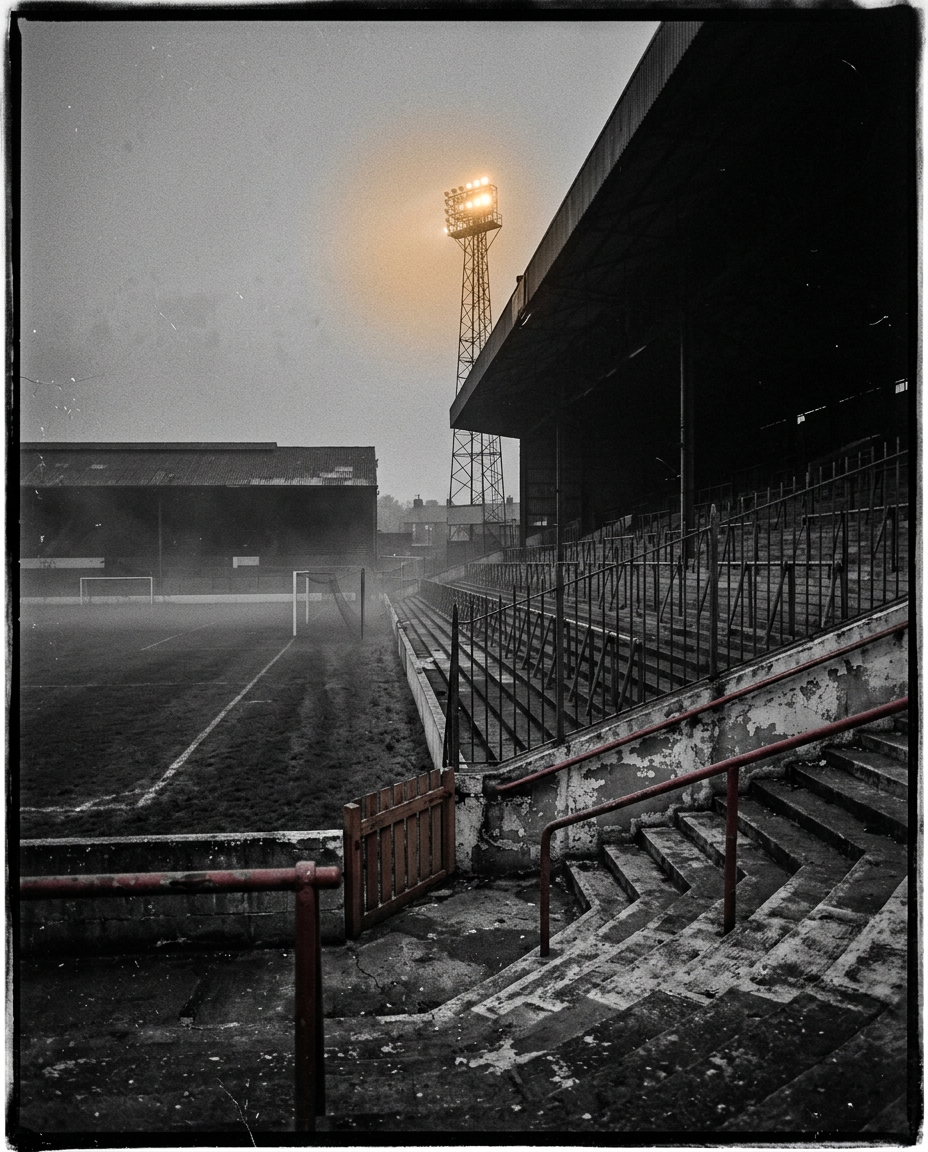
Not despite their imperfections.
Because of them.
A football ground is one of the few buildings people return to repeatedly across an entire lifetime.
Most places belong to specific chapters of our lives.
A childhood home.
A school.
A workplace.
A favourite bar.
Football grounds are different.
They accompany us.
A supporter may first enter as a child holding somebody else’s hand and continue returning forty years later with grey hair and grandchildren of his own.
The building becomes part of the timeline.
Part of the family.
Part of the story.
That is why old stadiums often felt alive.
Not because they possessed personality in the literal sense.
But because they accumulated human presence on a scale difficult to comprehend.
Every wall had listened to conversations.
Every staircase had carried generations.
Every crush barrier had absorbed moments of joy, despair, anger and celebration.
Thousands of lives passed through the same spaces, leaving traces behind.
The structure became saturated with memory.
Modern architecture excels at solving problems.
Contemporary stadiums are safer.
More accessible.
More efficient.
More comfortable.
Most supporters would not seriously argue against those improvements.
But efficiency and atmosphere are not always the same thing.
A building can function perfectly and still feel anonymous.
Old football grounds often possessed the opposite quality.
They were deeply flawed.
Yet unforgettable.
You could identify them instantly.
Not because of branding.
Because of character.
The peculiar shape of a roofline.
The shadows beneath a terrace.
The sound produced by a particular stand.
The smell of damp concrete after rain.
The sensation of emerging from a dark tunnel and seeing the pitch appear suddenly in front of you.
Experiences like these became inseparable from the club itself.
Perhaps that is what many supporters mean when they say a stadium felt alive.
They are not describing architecture.
They are describing familiarity.
The comforting knowledge that thousands of people had stood exactly where they were standing.
Celebrated exactly where they were celebrating.
Suffered exactly where they were suffering.
A football ground became a vessel
carrying collective memory
across generations.
Some of the most beloved stadiums in football history no longer exist.
Their stands have been demolished.
Their terraces removed.
Their walls reduced to rubble.
And yet they continue to occupy space inside people.
Supporters who have not visited those grounds in decades can still describe them in remarkable detail.
They remember the route to the turnstiles.
The view from a particular step.
The location of a food stall.
The exact place where their father stood.
The building survives
because memory refuses demolition.
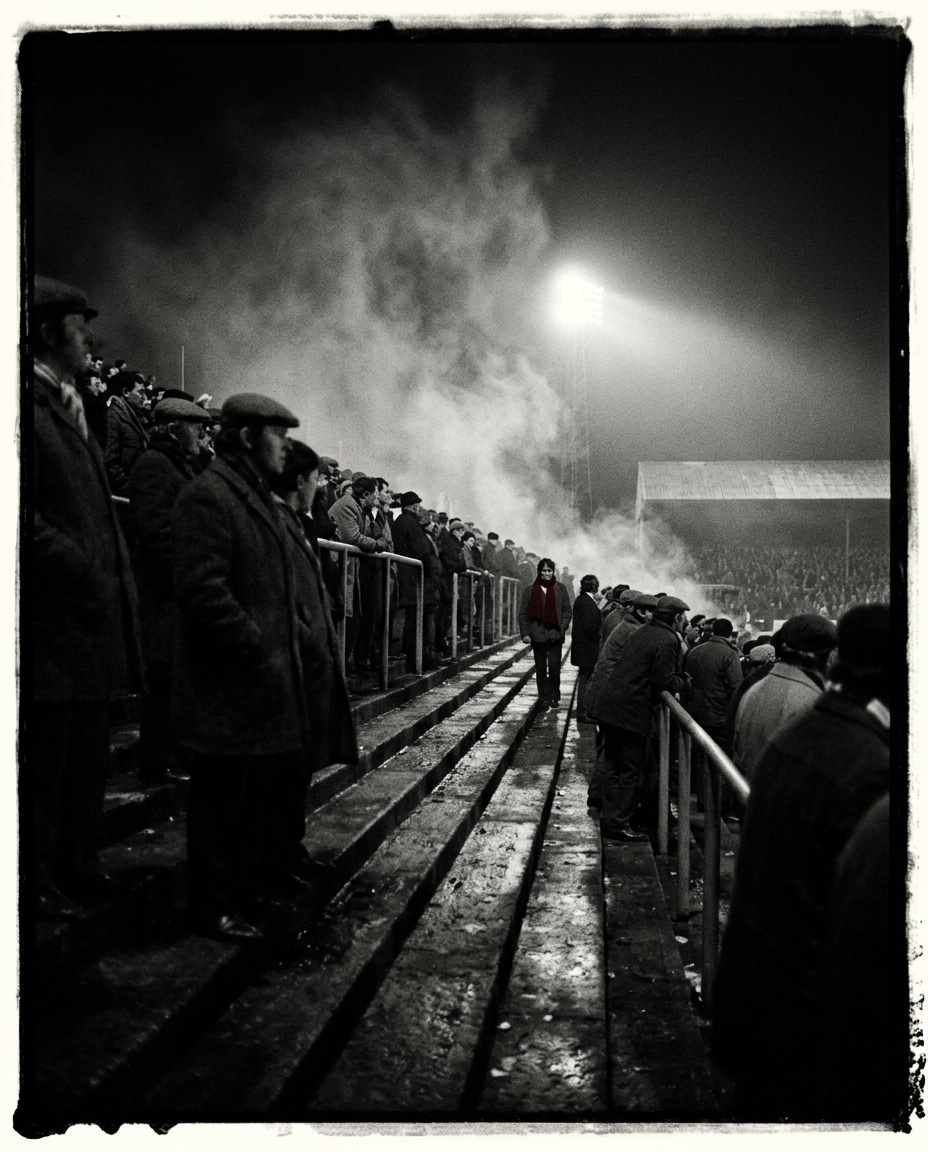
The truth is that stadiums were never alive.
Of course they weren’t.
They were concrete.
Steel.
Brick.
Timber.
Nothing more.
And yet, after enough years, enough matches and enough people, something extraordinary occurred.
The distinction stopped mattering.
Because once a building becomes woven into the emotional history of thousands of lives, it begins to feel less like a structure and more like a companion.
A witness.
A silent participant in the story.
Perhaps that is why old grounds continue to haunt football culture long after they disappear.
Not because they were perfect.
Not because they were comfortable.
Not because they were beautiful.
But because they were present.
And presence, unlike architecture,
cannot be rebuilt once it is gone.