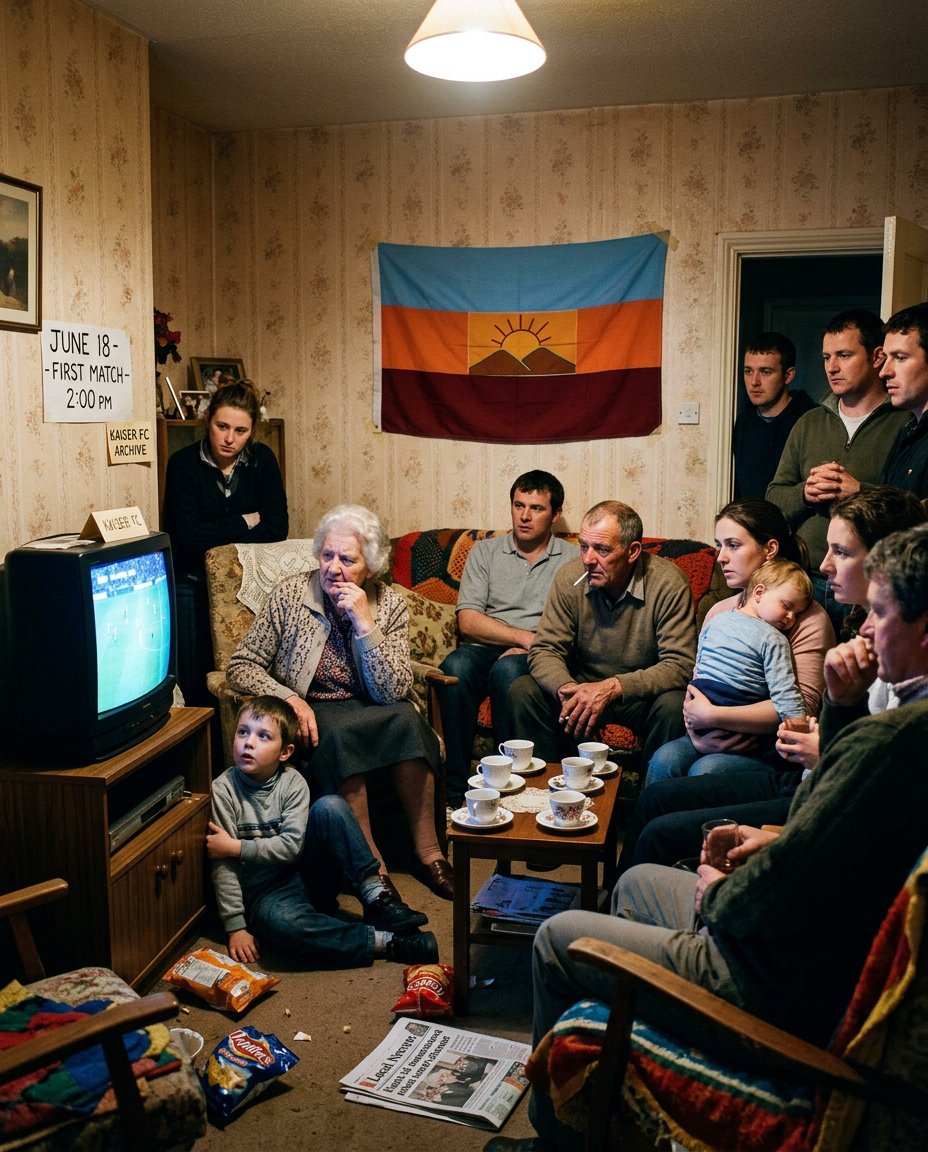
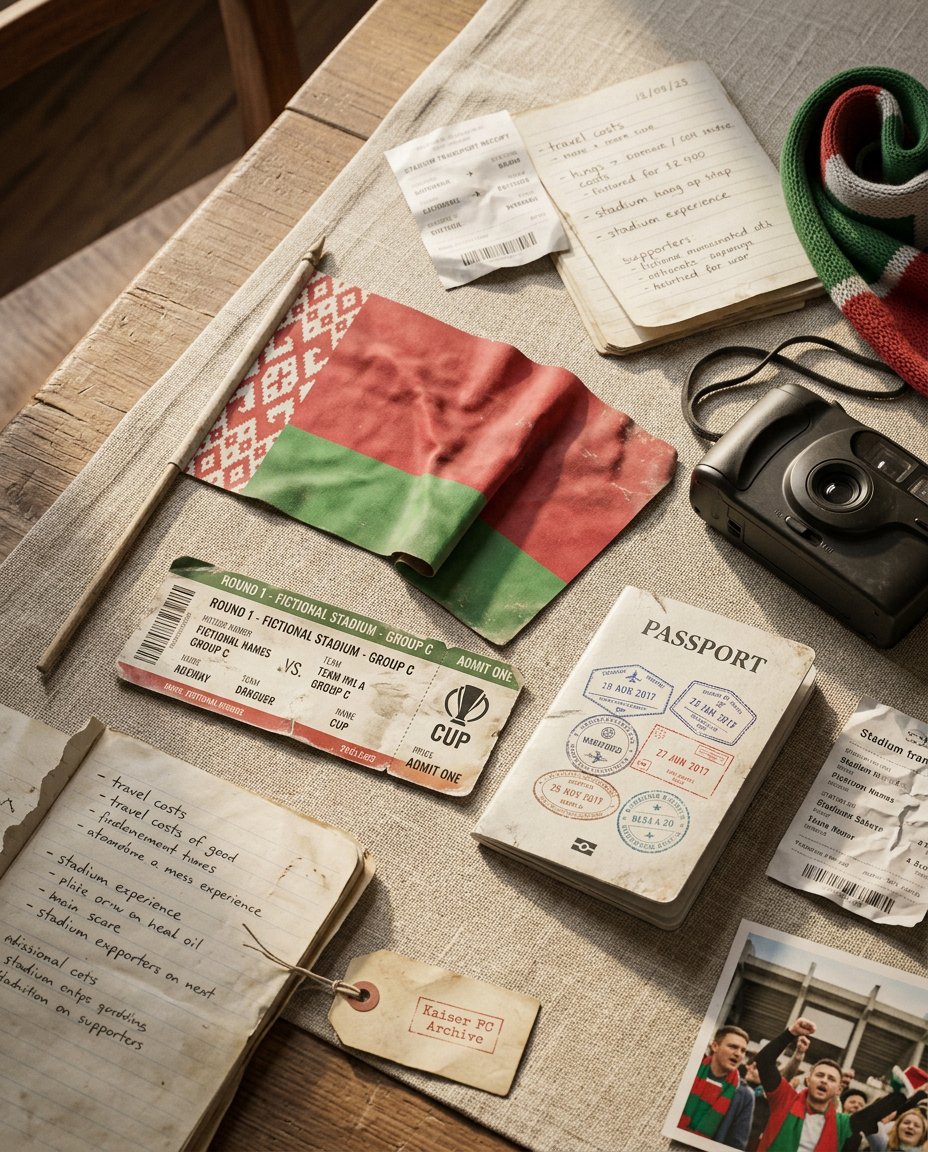
There is a particular kind of supporter who does not travel to the World Cup expecting the world to understand him. He travels hoping the world will finally notice that he exists.
He may arrive with a flag folded carefully in a backpack, a shirt bought from a local market, a scarf knitted by someone who could not afford the journey, and a story that is not written in any official preview. He knows the stadium will be filled with names larger than his country’s football history. He knows the commentators may mispronounce the players. He knows many people watching from far away will treat the match as a curiosity — a fixture between a familiar power and a newcomer allowed into the room for the first time.
But to him, it is not curiosity.
It is confirmation.
For the countries that arrive at the World Cup for the first time, the tournament begins long before the opening whistle. It begins in airports where groups of supporters recognise each other by colour before they know each other by name. It begins in streets where a flag that once felt regional, distant or unseen suddenly becomes international currency. It begins in messages sent back home from hotel lobbies, bus stations and stadium gates: we are here. They can see us now.
Football has always had a cruel habit of reducing new nations to difficulty level. Analysts ask whether they can defend, whether they can survive, whether they will lose heavily, whether they are tactically prepared for what is coming. Those questions may be fair inside the game, but they miss almost everything surrounding it.
A first World Cup is not only a sporting test. It is a public arrival.
It is a country walking into a global theatre with its language, colours, songs, accents, doubts and stubborn belief, and asking not to be mistaken for anyone else.
That is why the first match matters even before the scoreline begins to form. The players line up, and for a few seconds the world sees them in a way it never has before. They are no longer an underdog in a qualifying table or a federation name at the bottom of a draw graphic. They are bodies on the grass, hands over hearts, eyes fixed on a flag being raised somewhere above them.
Behind them, in the stands, there are supporters who know exactly how far the journey has been. Not only in kilometres, but in years.
For many of those supporters, the trip is financially irrational. That is the part outsiders often misunderstand. To follow a country making its first appearance can mean spending money that should have gone elsewhere, negotiating time off work, borrowing, sharing rooms with relatives of relatives, sleeping in airports, carrying food in bags, and stretching each day of the tournament like a budget that refuses to obey mathematics. It can mean travelling not because the team is expected to go far, but because this particular first time will never happen again.
There are football nations accustomed to return. They speak of campaigns, cycles, squads, expectations. Their supporters plan trips with the weary confidence of people who have lived this before. A debutant country does not have that luxury.